
Educated Minds. Change Lives.
Schizophrenia can affect people of every age group but is more common amongst teens to adults. This information can benefit family members of someone who has been diagnosed in order to be a better support system. This information can also benefit adults who recently were diagnosed and want to be as knowledgeable as possible on their condition.
Reference: (Souther, 2026)
Signs and Symptoms in Adults
Delusions- A large majority of people with schizophrenia experience this symptom. This symptom consists of believing things that are not true.
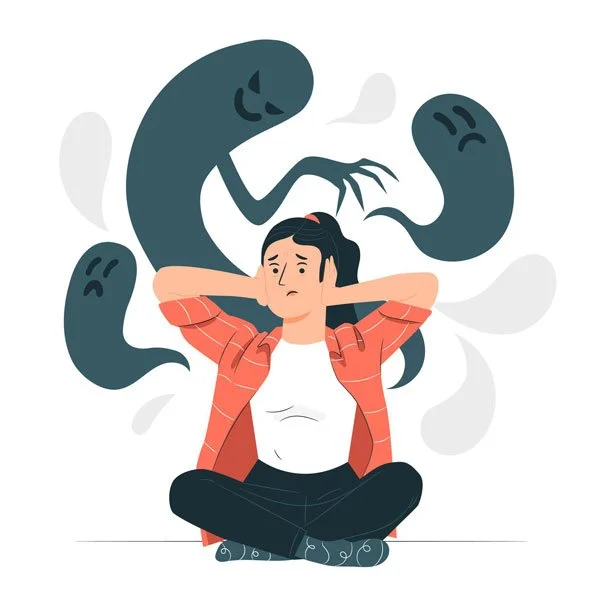
Hallucinations- This occurs when someone who is schizophrenic sees or hears things that are not actually happening or that other people do not see. Seeing things that are not there is less common, hearing things like voices can be more common.
Disorganized speech and thinking- Having a conversation with someone while they are experiencing this symptom can look like them not giving answers that pertain to the topic being talked about.
Extremely disorganized or unusual motor behavior- This is similar to the one above except it deals with motor skills. It is stated that some people may be quicker to anger (like a child), may be stubborn when it comes to following instructions, or even may show much movement or talk a lot.
Prevalence
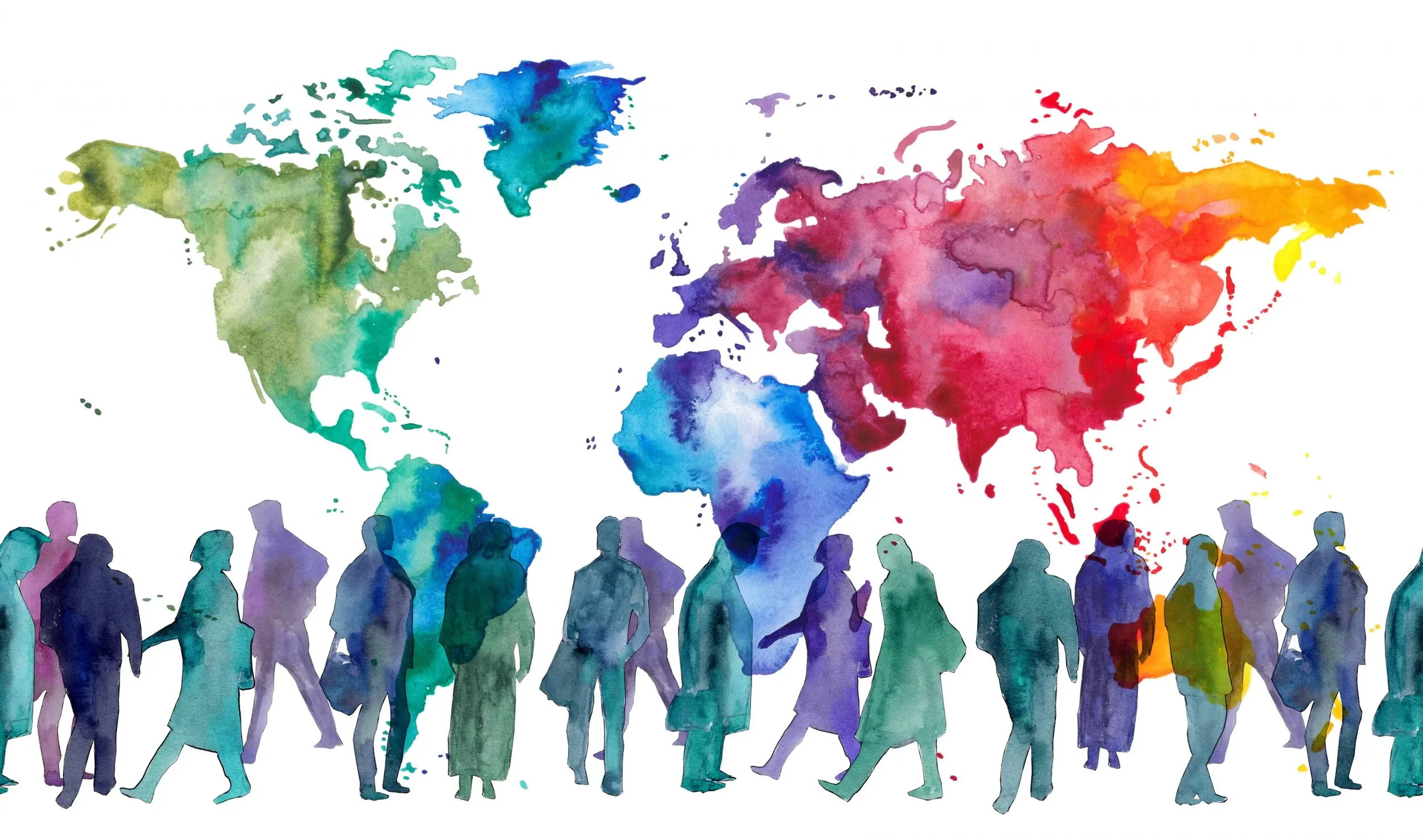
From the research found there are not exact numbers because people who get diagnosed with schizophrenia often have other disorders as well.
(…prevalence of schizophrenia and related psychotic disorders in the U.S. range between 0.25% and 0.64%.)
(Schizophrenia, n.d.)
Diagnosis
A diagnosis for this specific disability/disorder can be composed of three parts.
Physical- Medical professionals often start with this exam to rule out other possibilities
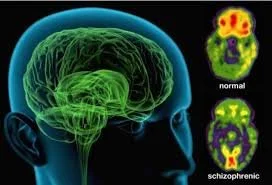
Testing- This includes medical screening like CT scan and MRI to rule out more possibilities
Evaluation- Having a professional that specializes in mental health will be able to conduct and assess a person in the areas of “thoughts, moods, delusions, hallucinations, substance use, and potential for violence or suicide.” And family history (Schizophrenia, 2024)
Treatment
Although there is no cure for schizophrenia there are treatments relieve some of the symptoms.
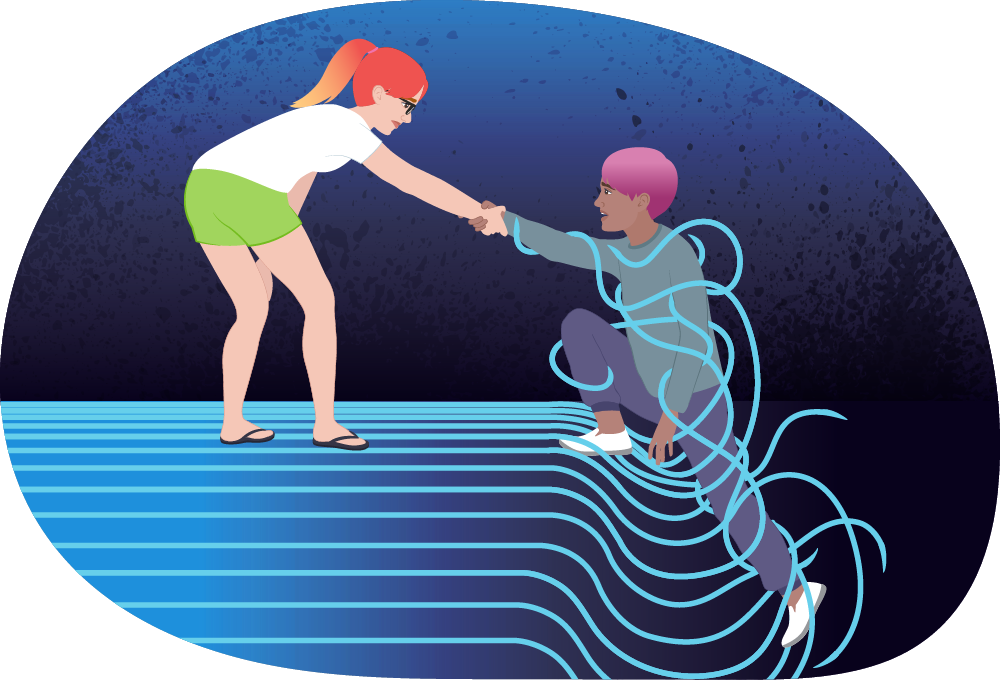
The best thing as a family member to do if they have someone in their life that has schizophrenia is to show support towards that individual.
These treatments include:
Medicines
Second-generation antipsychotics
First-generation antipsychotics
Long-acting injectable antipsychotics
Psychosocial interventions
Hospital stay
Electroconvulsive therapy
References:
Mayo Clinic Staff. (2024, October 16). Schizophrenia. Mayo Clinic. https://www.mayoclinic.org/diseases-conditions/schizophrenia/symptoms-causes/syc-20354443
Schizophrenia. (n.d.). Schizophrenia. National Institute of Mental Health. https://www.nimh.nih.gov/health/statistics/schizophrenia
Souther, R. (2026, February 17). Does schizophrenia get worse with age: What long-term studies reveal about symptom changes over the lifespan - mental health center of san diego. Mental Health Center Of San Diego - San Diego’s Premier Mental Health Facility. https://mhcsandiego.com/blog/does-schizophrenia-get-worse-with-age-what-long-term-studies-reveal-about-symptom-changes-over-the-lifespan/